
Insights
Social capitalism: fad or paradigm shift?
El Economista Felipe Morales Fredes February 10, 2020, 06:00 The definition of the company's role as a generator of value for its various stakeholder groups…
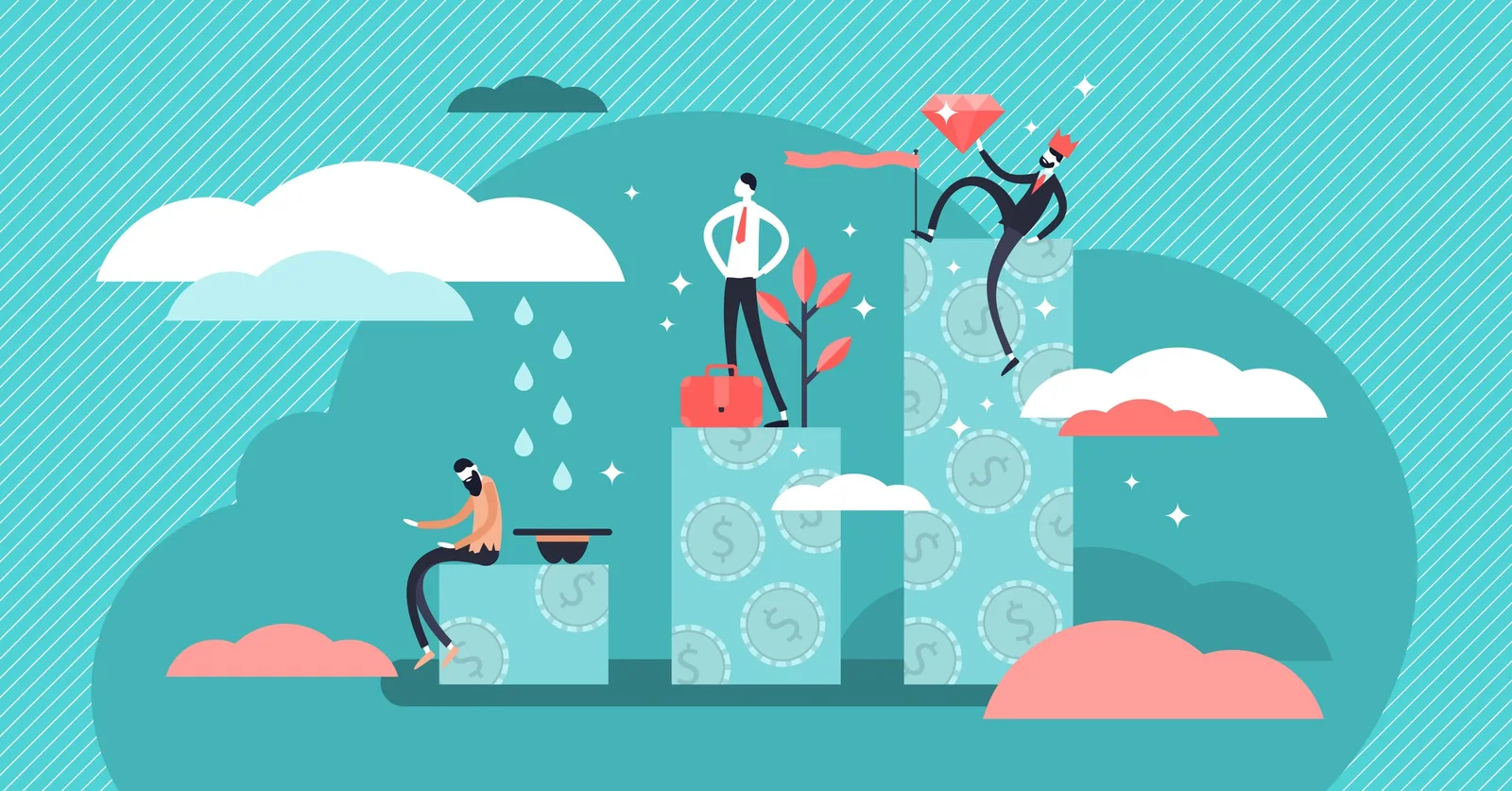
El Economista Felipe Morales Fredes February 10, 2020, 06:00
The definition of the company’s role as a generator of value for its various stakeholder groups has gained ground in the global economic public debate in recent months. The question is not new; it has been on the economic discussion table for decades: What is the role of the company in society? The traditional business model aims to maximize profits for shareholders, but is that enough?
The reality, notes Ignacio de la Vega, dean of Egade Business School at Tecnológico de Monterrey, is that much of the world has lived for the past four decades under a capitalist model that, while it has generated prosperity, resources, and opportunities, has also produced significant gaps, because wealth has not been distributed reasonably or equitably.
One indication of this is that nearly half of the global population today lives on less than $5.50 a day, below the well-being line, according to World Bank data.
“The economic life of a society keeps evolving. Since the 1970s, global economic systems have operated on the conviction that what they were doing was good: generating growth and shareholder benefit above any other strategic objective. That’s not wrong, but for some time now we’ve been asking ourselves whether it’s enough,” says de la Vega…