
Insights
Judgment Under Authority: Milgram Obedience, Accountability, And Decision Rights
A lot of bad decisions don’t start with bad people. They start with Milgram obedience —a setup where someone feels like they’re deciding, but someone else…
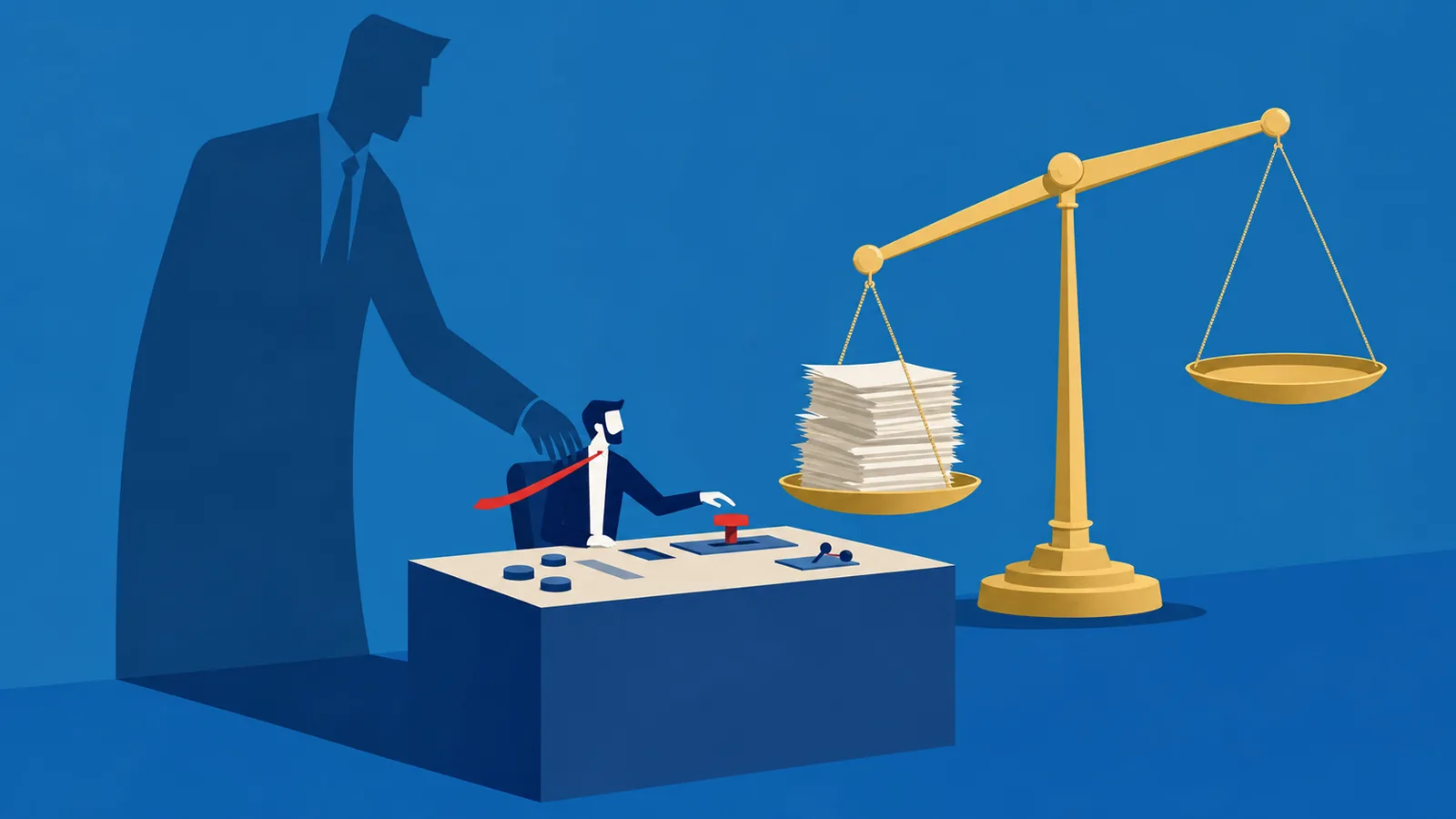
A lot of bad decisions don’t start with bad people. They start with Milgram obedience —a setup where someone feels like they’re deciding, but someone else will pay the price if it goes wrong. When that happens, confidence rises—and caution disappears.
https://youtu.be/amHIVA8m5Q4?si=UPv0bQeNSu-WQQYI
Milgram Obedience And The Accountability Trap
In the Milgram obedience experiments, regular people were told by an authority figure to keep going, even when what they were doing felt wrong. The key detail wasn’t cruelty. It was responsibility. Participants believed the authority figure was “in charge,” so they weren’t fully responsible.
Workplaces can recreate this without meaning to. When a boss says, “Do it—I’ll cover you,” it can feel supportive. But it also moves accountability away from the person making the call. That’s when people do things they normally wouldn’t do, or they take risks they don’t fully understand.
Decision Rights Under Milgram Obedience Conditions
Decision rights are simply “who gets to decide.” They work only when the person who decides also feels the consequences.
When authority gets involved, three common patterns show up:
Sometimes it’s decision theater. A team presents options, but everyone can tell what answer the senior leader wants. The team learns to please authority, not tell the truth.
Sometimes it’s committee indemnity. A group approves something, so no single person feels responsible if it fails. “We all decided” becomes a shield.
Sometimes it’s escalate-to-validate. Someone pushes the decision upward just to get a stamp of approval, so the risk becomes “the organization’s problem,” not theirs.
This is what we call Side-Show Bob syndrome: people look bold because the downside has been outsourced.
Capability In VUCA Requires Consequences
VUCA means volatility, uncertainty, complexity, and ambiguity. In plain language: the world is messy, fast, and hard to predict.
In that kind of world, Capability matters more than confidence. Capability is the power to navigate complexity through judgment across time horizons. It’s different from Ability, which is the skill to do tasks right now, and different from Capacity, which is how much load or scale the system can carry without breaking.
When consequences don’t follow decisions, organizations confuse confidence for Capability. They reward the loudest voice, not the most reliable judgment.
Milgram Obedience And The Accountability–Complexity Alignment Test
Before a big decision, run this simple check:
Agency: who can actually influence the outcome? If someone can’t change resources, timing, or priorities, they don’t truly own the decision.
Consequence: who personally feels the downside if this fails? If the downside lands somewhere else, expect performative confidence.
Horizon: when will the consequences show up—next week, next quarter, next year? This is where Levels of Work helps: it’s a way to match decisions to the time span they affect. If a decision will play out over years, but the person deciding is only measured on this quarter, the system is asking for short-term behavior.
When agency, consequence, and horizon match, decisions get sharper and learning gets faster.
Governance To Prevent Milgram Obedience Drift
Governance is the system that keeps decisions honest. The goal isn’t to slow everything down. It’s to make sure responsibility doesn’t disappear.
One helpful lens is the Triad of Direction: Management keeps today reliable, Leadership sets direction amid complexity, and Stewardship protects what must endure over time—identity, ethics, trust. When accountability blurs, Stewardship usually gets damaged first, because the organization starts trading long-term trust for short-term relief.
Strong governance makes ownership clear and makes dissent safe, so people can say “this is risky” without punishment.
Using The DOES Model To Reattach Judgment And Consequence
The DOES model—Design, Organize, Execute, Sustain—turns accountability into something you can build, not just demand.
Design: write down who decides, what “good” looks like, and what risks are not acceptable.
Organize: give the decider the tools and authority needed to act. Don’t give someone responsibility without control.
Execute: check early signals, not just final outcomes. If something is going off track, the decider should find out soon enough to adjust.
Sustain: review decisions later, while learning still matters. Not to shame people—so the organization gets wiser instead of repeating the same mistakes.
Real-World Example: A Hiring Decision That Could Backfire
Imagine an HR leader is asked to hire a new plant manager fast because performance is slipping. The CEO says, “Make the hire. I’ll take responsibility.”
If you follow the Milgram obedience pattern, the HR leader may rush, pick the “safe-looking” candidate, and ignore red flags because the authority figure has created cover.
Here’s how to use the alignment test instead.
The HR leader pauses and clarifies agency: “If I’m accountable for this hire, I need authority to slow the timeline by two weeks and require structured interviews from operations and safety.”
Next, consequence: “If this hire fails, what happens? Am I measured on retention and performance outcomes, or is this considered a leadership decision that sits with the CEO?” The goal is not drama—it’s clarity.
Then horizon: “This role’s impact will show over 12–18 months, not 30 days. Let’s set evaluation checkpoints at 90 days, 6 months, and 12 months, and keep ownership consistent across that horizon.”
Now the CEO can still sponsor the decision, but without absorbing accountability. The decision becomes real. Judgment gets better because consequences are attached to the person and time span that matter.
Final Thoughts
- When authority absorbs accountability, Milgram obedience becomes a design flaw, not a character flaw.
- True Capability shows up when decision rights and lived consequences stay aligned across the time horizon that matters.
- Governance that clarifies consequence ownership protects Stewardship and strengthens judgment in VUCA.
- The DOES model becomes a practical lever when it ties Design and Organize choices to real consequence, not performance theater.
- If you want braver decisions, stop subsidizing “bravery” with outsourced risk and start engineering consequence-informed judgment.
FAQs
What are the Milgram obedience experiments, and why do they matter for leaders?
They show how ordinary people can continue harmful actions when an authority figure absorbs responsibility. In organizations, that same accountability transfer can distort judgment and normalize risky behavior.
How does Milgram obedience show up in governance and decision rights?
It appears when committees, sponsors, or senior leaders implicitly “cover” the downside, so the apparent decision-maker feels less consequence pressure than the decision warrants.
What’s the difference between ability and capability in executive evaluation?
Ability is present-tense skill and know-how. Capability is judgment, sense-making, and meaning-making under complexity across time horizons. Confusing the two inflates promotions and weakens learning.
How do Levels of Work connect to accountability in VUCA?
Levels of Work clarifies the time span of discretion required for a role. If the consequences of a decision unfold over years, accountability must also span that horizon—or the system will optimize for the quarter.
What’s one practical step to reduce Side-Show Bob syndrome?
Before approving a material decision, explicitly name who owns the downside, who controls the key levers, and how long the consequences will take to show up—then align the decision right accordingly.
If you want the full set of examples, governance prompts, and consequence-alignment language you can drop into your next exec review, read the complete article and share it with your leadership team.